
For public and funding partners
A new vision for aid in practice
Development cooperation is moving beyond direct project funding towards using public resources to catalyse private investment at scale. Donors and development finance institutions increasingly see their role as sharing risk, strengthening markets and creating the conditions for sustainable, locally led growth. Peace finance fits this vision, ensuring that the private capital mobilised in fragile and conflict-affected contexts helps reduce conflict risk and supports lasting development outcomes.
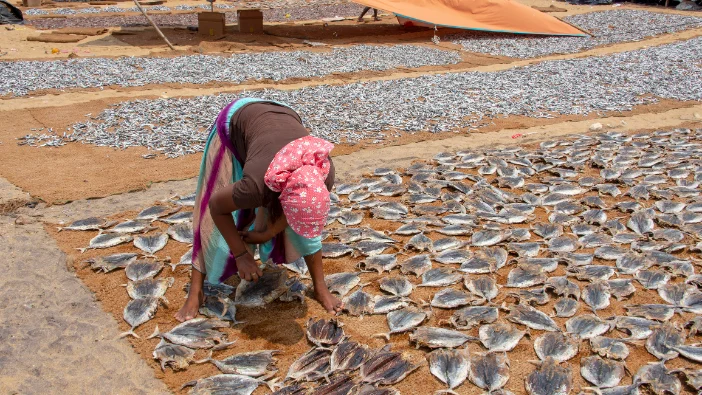
Making scarce public resources go further
Official development assistance is under sustained pressure, so how efficiently public funds are used matters more than ever. Directing public money towards reducing risk, rather than financing projects outright, can bring in private investment that would not otherwise reach fragile contexts. Peace measures are financed within the project rather than from aid budgets, so prevention is built into investment that is already taking place. There is also strong evidence that prevention is more cost-effective than response. IMF research estimates returns of between 26 and 103 dollars for every dollar spent on prevention, depending on the context.
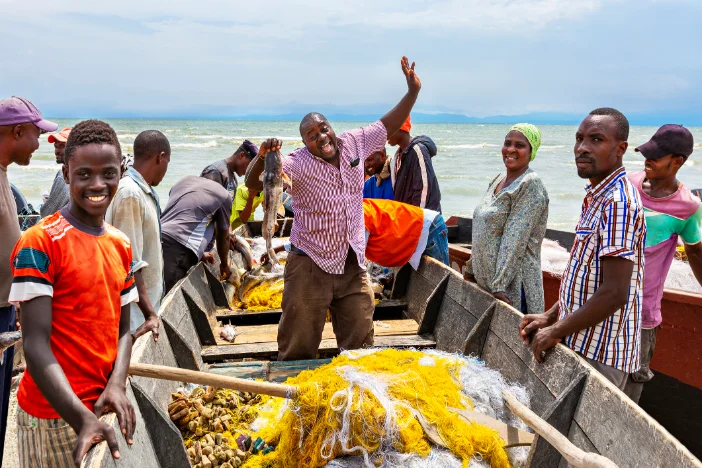
Addressing the drivers of risk, not only its distribution
Perceived and actual conflict risk is among the main reasons private capital stays out of fragile and conflict-affected settings. Guarantees and blended finance can redistribute that risk or lower its price, but they rarely address its underlying drivers. The Finance for Peace Standards target those drivers directly. They require peace measures to be built into project design and independently verified each year. This can generate additionality in three ways: financial (capital flowing to projects it would otherwise avoid), impact (peace measures that would otherwise go unfunded) and market (a credible basis for investing where markets are thin).
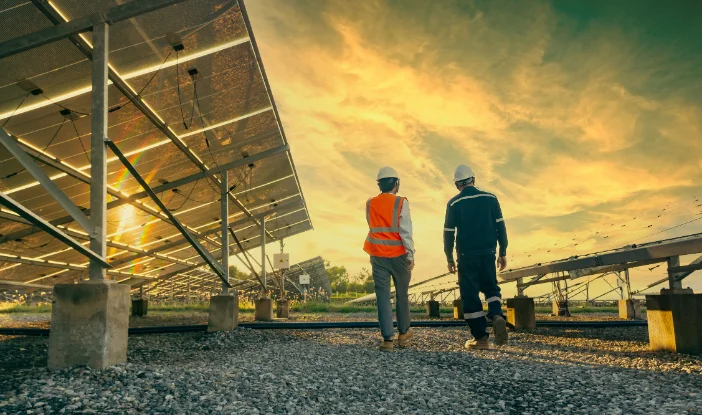
Durable outcomes, with potential to scale
Peace-aligned investment can support progress across the Sustainable Development Goals. Depending on the sector, investments can expand access to clean and affordable energy, water, healthcare, education, housing and food systems. Peace measures add outcomes of their own, including local jobs and skills, contracts for local businesses and a fair share of benefits for nearby communities. They also strengthen the conditions in which these gains can last, by building trust between communities, companies and local authorities and resolving disputes early. Because projects are commercially viable, these outcomes can continue beyond the life of any grant.
How to work with us
Whether you want to fund our work, shape policy, back the first certified transactions or follow how the market develops, there is a way to get involved.
About the Market NetworkFund our work
Support the work of building the market for peace finance: developing the Standards, building the Market Network and producing the evidence base.
Collaborate on policy
Work with us to bring conflict-sensitive investment into the policies, mandates and frameworks of public and development finance institutions.
Support the first certified instruments
Back the first certified transactions with guarantees, blended finance or technical assistance, and help show what the Standards can achieve.
Partner on special projects
Work with us on targeted initiatives around peace-aligned investment, such as thematic programmes, peace bonds for a specific region or sector, or research on how investment affects stability.
Where to start
Fund our work, collaborate on policy, support the first certified instruments or partner on a special project. Get in touch or join the Market Network.